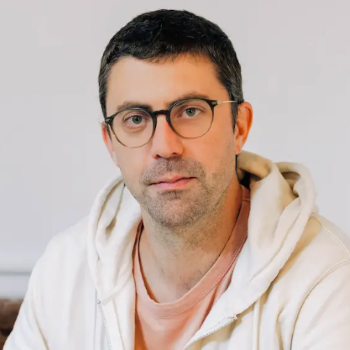
Security-Operations-Center (SOC) stehen vor einer zentralen Herausforderung: Immer mehr Sicherheitsalarme müssen analysiert werden, während die Zeit für fundierte Entscheidungen knapp bleibt. Doch nicht die Anzahl bearbeiteter Alerts entscheidet über die Sicherheit, sondern die Fähigkeit, Risiken schnell zu verstehen und wirksam darauf zu reagieren. Im Interview mit Netzpalaver- auf der Sicherheitsmesse it-sa spricht Georges Bossert, CTPO und Co-Founder von Sekoia, über den Wandel von klassischer Alarmbearbeitung hin zu autonomer Cyberabwehr.
Im Mittelpunkt steht Sekoia-Elevate: Die Plattform unterstützt Sicherheitsteams dabei, aus einzelnen Erkennungen ein umfassendes Lagebild zu entwickeln, Risiken zu priorisieren und Untersuchungen zu automatisieren. Der frühe Erfolg unterstreicht das Interesse an diesem Ansatz: Bereits in der ersten Woche nach dem Launch verarbeitete Elevate mehr als 15 Milliarden Tokens. Doch wie lässt sich menschliche Untersuchungsexpertise automatisieren, ohne Transparenz und Kontrolle zu verlieren? Bossert erläutert, warum nachvollziehbare Belege, menschliche Überprüfung und die Möglichkeit zum Eingreifen entscheidend für das Vertrauen in KI-gestützte Untersuchungen sind. Wie entwickelt sich das SOC vom Alert-Verarbeiter zum strategischen Akteur der Cyberabwehr?
Sie sehen gerade einen Platzhalterinhalt von YouTube. Um auf den eigentlichen Inhalt zuzugreifen, klicken Sie auf die Schaltfläche unten. Bitte beachten Sie, dass dabei Daten an Drittanbieter weitergegeben werden.
Questions:
0:05 SOC teams are often measured by how many alerts they process, but their real objective is to understand risk and make the right decisions quickly. What is fundamentally broken in the way security operations are organized today, and what needs to change?
1:05 A detection is only the beginning of a security decision. How does Elevate help teams move from signal to understanding, prioritization and response?
1:39 In the first week after launch, Elevate processed more than 15 billion tokens, while more than 1,200 communities used auto-analysis and autonomous investigation was opened to more than 2,000 customers. What did this early adoption reveal about how organizations are beginning to use autonomous investigation at scale?
2:44 What does it mean to automate investigation expertise, and how is that different from generic workflow automation or traditional playbooks?
3:42 What does an analyst need to see before trusting an AI-driven
English
Autonomous Cyber Defense: When AI Makes Informed Decisions Based on Alerts Security
Operations Centers (SOCs) face a key challenge: They must analyze an ever-increasing number of security alerts, while the time available to make informed decisions remains limited. However, it is not the number of alerts processed that determines security, but rather the ability to quickly understand risks and respond to them effectively. In an interview with Netzpalaver at the it-sa security trade show, Georges Bossert, CTPO and co-founder of Sekoia, discusses the shift from traditional alert handling to autonomous cyber defense.
The focus is on Sekoia-Elevate: The platform helps security teams develop a comprehensive situational awareness from individual detections, prioritize risks, and automate investigations. Its early success underscores the interest in this approach: In the very first week after launch, Elevate processed more than 15 billion tokens. But how can human investigative expertise be automated without losing transparency and control? Bossert explains why traceable evidence, human review, and the ability to intervene are crucial for trust in AI-assisted investigations. How is the SOC evolving from an alert processor to a strategic player in cyber defense?
#Sekoia